Picture this: You're scrolling through your inbox and actually want to click on a marketing email because it feels like it was written just for you. Sound impossible? It's not—that's the power of digital direct marketing done right.
Here's the reality check: While businesses spend over $733 billion annually on digital advertising, 44% of consumers still find most marketing messages completely irrelevant. That's nearly half of all marketing efforts falling flat! The difference between success and failure isn't about spending more money. It's about speaking directly to your customers in a way that actually matters to them.
What if you could flip that script? What if your marketing messages were the ones people looked forward to receiving?
In this guide, we'll break down exactly what digital direct marketing is and why it's different from casting a wide net and hoping for the best. You'll discover which channels deliver real results, how to create messages that people actually want to read, and proven strategies to turn clicks into customers and customers into loyal fans.
Ready to transform your marketing from background noise into meaningful conversations? Let's dive in.
Essential Digital Direct Marketing Channels That Convert
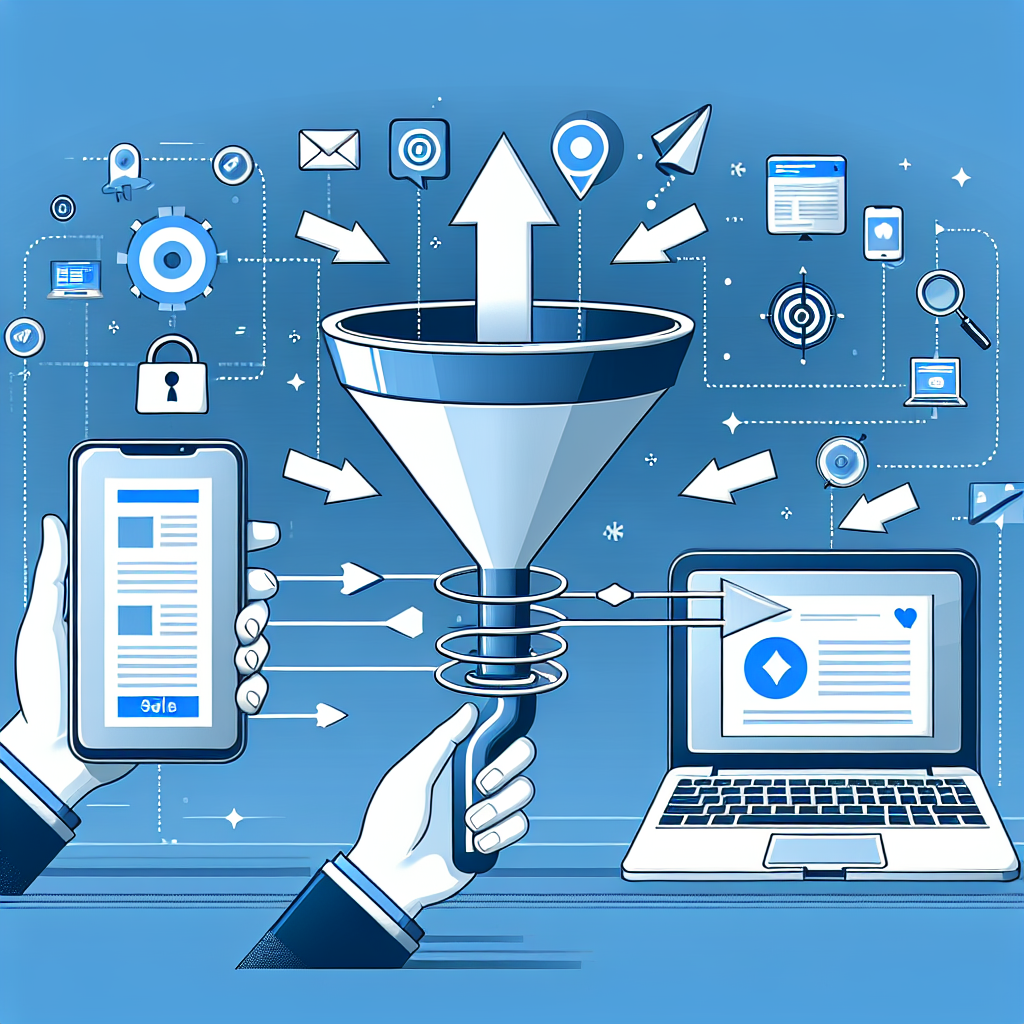
The landscape of digital marketing channels offers countless options, but not all channels are created equal when it comes to driving direct response. Understanding which platforms deliver the highest return on investment can make the difference between a profitable campaign and wasted ad spend.
Email Marketing: The $42 ROI Champion
Email remains the undisputed king of direct marketing channels. With approximately 4 billion daily email users worldwide, email provides unmatched reach and intimacy. What makes email particularly powerful is its ability to deliver personalized messages directly to your customer's most personal digital space - their inbox.
The key to email success lies in segmentation and timing. Rather than blasting generic messages to your entire list, successful marketers create targeted campaigns based on customer behavior, preferences, and lifecycle stage.
SMS and Push Notifications: Instant Engagement Powerhouses
While email dominates in volume, SMS excels in immediacy. Text messages typically achieve open rates above 90% within minutes of delivery, making them perfect for time-sensitive offers and urgent communications.
Push notifications from mobile apps offer similar immediacy with the added benefit of rich media capabilities. These channels work exceptionally well for flash sales, appointment reminders, and cart abandonment recovery.
Paid Social and Programmatic: Precision Targeting at Scale
Social media platforms have evolved far beyond awareness advertising. Customers are up to 70% more likely to purchase a product when retargeted with display ads, making social retargeting campaigns incredibly valuable for direct marketers.
Facebook, Instagram, and LinkedIn offer sophisticated targeting options that allow you to reach specific audience segments with personalized messages. Combined with programmatic advertising, you can deliver the right message to the right person at the optimal moment across the web.
Understanding how these channels work together creates the foundation for building integrated campaigns that maximize your marketing impact.
Data-Driven Personalization: Solving the Relevance Crisis
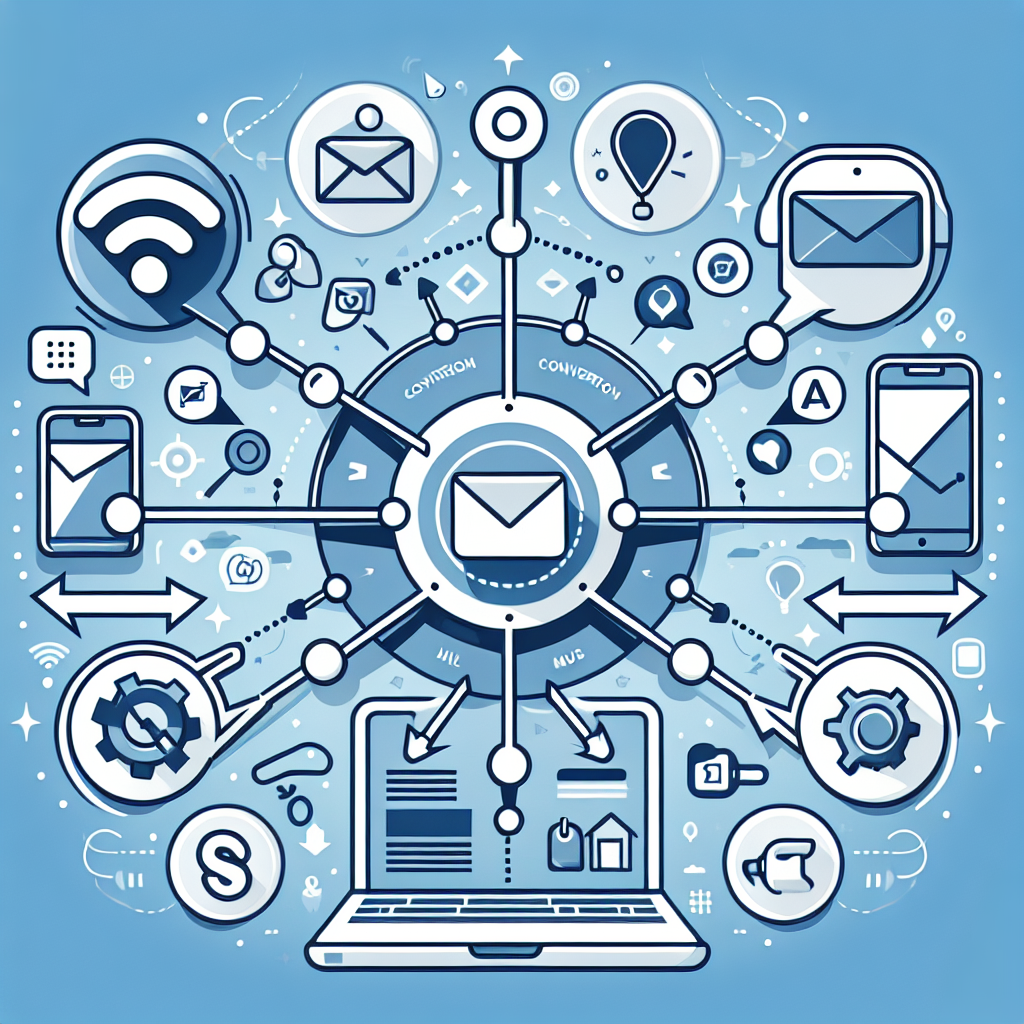
The biggest challenge facing digital direct marketing today isn't reaching customers - it's reaching them with messages they actually care about. The solution lies in transforming generic campaigns into personalized experiences that speak directly to individual needs and interests.
Why 44% of Marketing Messages Fall Flat
44% of consumers say most of the marketing emails they receive are irrelevant. This staggering statistic reveals a massive opportunity for brands willing to invest in personalization.
The problem isn't that customers don't want to hear from brands - it's that most brands are saying the wrong things at the wrong times. Generic "one-size-fits-all" messaging feels impersonal in an era where customers expect tailored experiences.
Customer Data Goldmine: Behavioral Segmentation Strategies
The key to relevance lies in behavioral data. Instead of segmenting customers by demographics alone, successful direct marketers create segments based on actions: what customers buy, how often they purchase, which emails they open, and what content they consume.
For example, a customer who frequently purchases athletic wear but never opens emails about running shoes clearly has different interests than their purchase history might suggest. This behavioral insight allows you to send more targeted, relevant messages.
Privacy-First Personalization in the Modern Era
Personalization doesn't mean being creepy. Research shows that 41% of shoppers are comfortable with retailers monitoring their shopping patterns to personalize offers, but only when there's clear value exchange and transparent communication about data use.
The most effective approach combines explicit data (what customers tell you through surveys and preference centers) with implicit data (what their behavior reveals) to create rich customer profiles that drive relevant messaging. Just like our comprehensive approach to boosting your website's SEO requires understanding user intent, successful direct marketing requires understanding customer intent at every touchpoint.
Building this foundation of relevant, personalized communication sets the stage for creating sophisticated multi-channel campaigns that deliver results.
Building High-Converting Multi-Channel Direct Marketing Campaigns
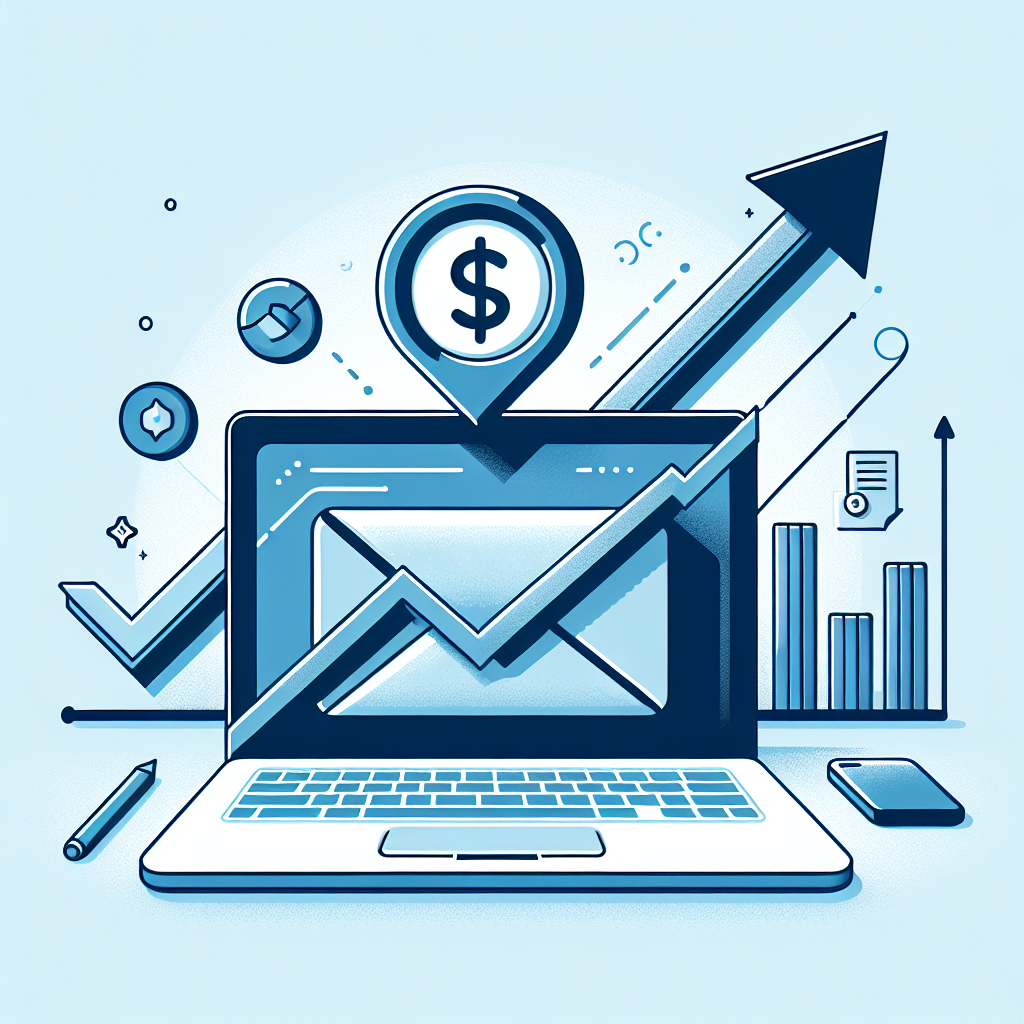
Creating successful direct marketing campaigns requires more than choosing the right channels - it demands orchestrating those channels to work together seamlessly. The most effective campaigns create cohesive customer experiences that guide prospects through a logical journey from awareness to purchase and beyond.
Campaign Orchestration: Coordinating Multiple Touchpoints
Multi-channel orchestration means ensuring your message feels consistent whether a customer encounters it via email, social media, or SMS. This doesn't mean identical messaging across all platforms, but rather complementary messages that build upon each other.
For instance, your email might introduce a new product with detailed benefits, your social ads could showcase the product in action, and your SMS could deliver a time-sensitive discount. Each channel plays a specific role in moving the customer forward.
Behavioral Trigger Mastery: Automated Responses That Convert
The magic happens when you can respond to customer actions in real-time. Cart abandonment emails are just the beginning - advanced direct marketers create triggers based on browsing behavior, email engagement, purchase history, and lifecycle stage.
Consider a customer who views a product page multiple times but doesn't purchase. An effective trigger sequence might start with an educational email about the product's benefits, followed by social proof from other customers, and conclude with a limited-time incentive to drive immediate action.
Attribution and Measurement: Tracking Success Across Touchpoints
Retail media networks deliver 1.8x better results than standard digital ads, but measuring true performance across channels remains challenging. Successful direct marketers implement attribution models that account for the entire customer journey, not just the last click.
This means tracking how email open rates influence social media engagement, how SMS drives website visits, and how different channels work together to generate sales. Similar to how we approach keyword research for comprehensive marketing strategies, understanding the interconnected nature of your channels helps optimize overall performance.
Advanced Tactics: Sequential Messaging and Lookalike Audiences
The most sophisticated campaigns use sequential messaging - showing different ads to the same person based on their previous interactions with your brand. Combined with lookalike audiences based on your best customers, these tactics allow you to scale successful campaigns while maintaining relevance.
Understanding these orchestration principles prepares you to leverage the latest trends and innovations that are reshaping direct marketing.
2024-2025 Digital Direct Marketing Trends and Innovations
The digital marketing landscape continues evolving at breakneck speed, with new platforms, technologies, and consumer behaviors creating fresh opportunities for direct marketers. Staying ahead of these trends isn't just about adopting new tools - it's about understanding how changing consumer preferences create new pathways to engagement and conversion.
AI Revolution: Predictive Personalization and Smart Automation
Artificial intelligence is transforming direct marketing from reactive to predictive. Modern AI doesn't just analyze what customers have done - it predicts what they're likely to do next and optimizes campaigns accordingly.
Smart automation now handles complex decision-making: determining the best send time for each individual subscriber, predicting which offers will resonate with specific customer segments, and even generating personalized subject lines that improve open rates. This technology allows marketers to deliver hyper-relevant experiences at scale.
Short-Form Video Direct Response: The New Performance Channel
Instagram Reels account for 50% of all time spent on Instagram, while YouTube Shorts exceed 200 billion views per day. This massive engagement creates unprecedented opportunities for direct response marketing.
The key difference between traditional video advertising and direct response video lies in the call-to-action. Successful brands are embedding clear, trackable actions within their short-form content - whether it's swiping up for exclusive offers, using specific promo codes, or visiting unique landing pages that can be directly attributed to video performance.
Community-Driven Marketing: Building Direct Relationships
Beyond public social media, brands are investing in private communities, Discord servers, and exclusive membership platforms. These environments allow for more intimate, direct communication with your most engaged customers.
Community marketing works particularly well for direct response because community members have already demonstrated high engagement levels. They're more likely to respond to exclusive offers, participate in product launches, and provide valuable feedback that improves your broader marketing efforts.
Retail Media Networks: The Performance Marketing Goldmine
Retail media networks deliver 1.8x better results than standard digital ads and nearly 3x better results for purchase intent. These platforms combine the targeting precision of social media with the high commercial intent of shoppers who are ready to buy.
The advantage of retail media networks lies in their first-party data and closed-loop attribution. You can see exactly which campaigns drive sales, not just clicks or impressions.
Frequently Asked Questions
What is digital direct marketing, and how is it different from regular digital marketing?
Digital direct marketing uses addressable channels like email, SMS, and targeted ads to communicate one-to-one with specific customers you can identify by name or account. Unlike general digital marketing that focuses on broad brand awareness, direct marketing is all about driving a measurable action—like a click, purchase, or sign-up—from people you already know or can target precisely. Think of it this way: a Super Bowl ad is digital marketing; an abandoned cart email with your name and the exact items you left behind is digital direct marketing.
Does email marketing still work in 2025 with so many messages flooding inboxes?
Yes—email remains one of the most profitable direct marketing channels, with roughly 4 billion daily users and email ranking as the top channel (38%) for customer-brand interaction. The catch is that 44% of consumers say most marketing emails are irrelevant, which means generic batch-and-blast campaigns fail while personalized, behavior-triggered emails succeed. Focus on segmentation, timely triggers (like cart abandonment or purchase anniversaries), and relevant content to cut through inbox clutter.
How can I personalize marketing messages without crossing the privacy line or seeming creepy?
The key is transparency and value exchange: 41% of shoppers are comfortable with brands monitoring their behavior when it leads to personalized offers they actually want. Always get explicit permission to collect data, clearly explain what you'll use it for, and make sure your personalization delivers genuine value—not just proof you're watching. Use behavioral data (what they clicked, browsed, or bought) rather than overly personal details, and give people easy control to adjust preferences or opt out.
What metrics should I track to measure digital direct marketing success?
Start with the core direct-response metrics: open rate and click-through rate (CTR) for email/SMS, conversion rate (CVR) for landing pages, and return on ad spend (ROAS) for paid campaigns. Beyond that, track customer acquisition cost (CAC), customer lifetime value (LTV), and the ratio between them to ensure profitability. Since 84% of brands report positive PPC results, also monitor channel-specific KPIs like cost-per-click and attribution across touchpoints to understand which channels and messages drive the most revenue.
Which digital direct marketing channels should I start with if I have a limited budget?
Email marketing delivers the highest ROI ($42 for every $1 spent on average) and requires minimal upfront investment, making it the best starting point for most businesses. Pair it with retargeting ads on Facebook or Google (customers are 70% more likely to purchase when retargeted), which let you re-engage website visitors with small daily budgets. Once you've mastered these foundations and built customer segments, layer in SMS for high-urgency messages or test retail media networks, which deliver 1.8x better results than standard digital ads.
How do I integrate multiple channels without overwhelming my audience or wasting money?
Build an orchestrated campaign strategy where each channel plays a specific role based on customer behavior and lifecycle stage, rather than blasting the same message everywhere. For example, use email for detailed product education, SMS for time-sensitive offers, and retargeting ads to re-engage people who opened your email but didn't buy. Set frequency caps across all channels combined (not per channel), suppress people who've already converted, and use behavioral triggers—like cart abandonment or browsing history—to ensure every message is timely and relevant, following the integrated multichannel approach that top-performing brands use.
Ready to Transform Your Marketing with Direct Response Strategies?
Digital direct marketing isn't just about sending more messages - it's about sending the right messages to the right people at the perfect moment. From email's impressive $42 ROI to the instant engagement power of SMS, from AI-driven personalization to emerging trends like retail media networks, you now have a complete roadmap for building campaigns that actually convert.
Key Takeaways:
- Email, SMS, and targeted social ads form the foundation of high-converting direct marketing campaigns
- Behavioral data and personalization solve the relevance crisis that causes 44% of marketing messages to fall flat
- Multi-channel orchestration and smart automation create seamless customer experiences that drive results
- 2024-2025 trends like AI personalization and short-form video direct response offer new opportunities for growth
The strategies we've covered work, but they require expertise to implement effectively. Combining the right channels, data insights, and emerging technologies can feel overwhelming when you're trying to run your business.
That's where professional guidance makes all the difference. Contact Isley Marketing to discover how our Sacramento-based team can help you build direct marketing campaigns that deliver measurable results and real ROI for your business.
References
- SEO.com - Digital Marketing Statistics - Source for statistics on digital advertising spending ($733 billion), email users (4 billion daily), customer retargeting likelihood (70%), and consumer comfort with personalization (41%)
- SAP Emarsys - DTC Marketing Statistics - Source for email relevance statistics (44% find marketing emails irrelevant), consumer channel preferences, and brand loyalty decline data
- Kantar - Marketing Trends - Source for retail media network performance statistics (1.8x better results than standard digital ads, 3x better for purchase intent)
- Social Media Today - Digital Marketing Trends to Watch - Source for short-form video statistics (Instagram Reels 50% engagement, YouTube Shorts 200+ billion daily views)
- Quad - Marketing Trends and Predictions - Source for expert quotes on multichannel direct marketing and integrated campaign orchestration
- Precision Strategies - Digital Marketing Trends - Source for AI-driven marketing trends and community platform developments
- Google Think - Digital Marketing Trends - Source for AI search optimization and consumer insights trends
- Zilker Media - PR and Digital Marketing Trends - Source for digital PR statistics and integration strategies